An analysis of monitoring records from 2022–2024 found PFAS at 78 of 86 sampled New Jersey surface-water sites (91%), with detections reported across all 21 counties. The report describes contamination in rivers, lakes a…
The Senate Democrats’ announcement says S-4468, sponsored by Senators Shirley Turner and Linda Greenstein, advanced from the Senate Environment and Energy Committee. The bill would strengthen state PFAS drinking-water st…
Trenton Water Works announced approximately $11.3 million from nationwide PFAS litigation against chemical manufacturers. Over the following 36 months, it planned to use proceeds after legal fees to improve carbon treatm…
This Perspective article argues that changing PFAS compliance deadlines does not remove the underlying health concerns or the need to prepare. It shifts attention from the regulatory timetable to what happens after the r…
Federal and West Virginia officials announced a proposed settlement covering four Chemours facilities in three states. The estimated cost exceeds $450 million across penalties, pollution controls and other required work;…
State environmental officials told a New York conference that PFAS cleanup and treatment will require billions of dollars and more federal support. The report examines why settlements and existing funding may not cover l…
The Toxic Substances Control Act (TSCA), the primary federal law governing industrial chemicals, has historically suffered from major structural limitations that restricted the federal government’s ability to identify an…
New Jersey drinking water has seen PFAS (“forever chemicals”) levels cut roughly in half, according to a Rutgers-led study analyzing long-term data. Researchers attribute the decline to early regulatory actions and water…
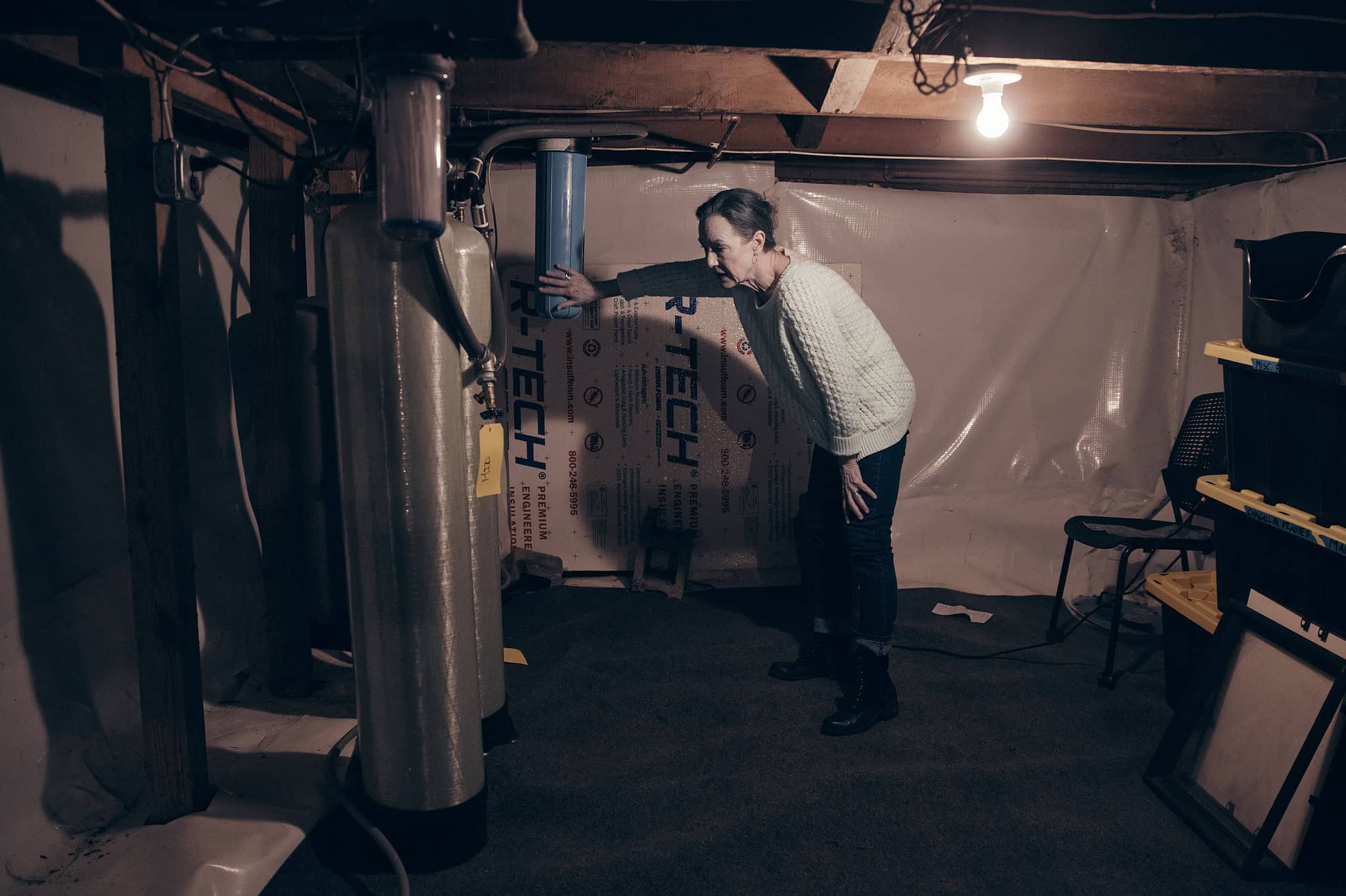
The article reports widespread contamination of private wells in New Jersey by PFAS “forever chemicals.” Testing shows more than 2,200 wells exceed safe drinking-water standards, with some counties reporting contaminatio…
Governor Phil Murphy signed legislation sponsored by Senators Linda Greenstein and Bob Smith, which will ban the intentional addition of perfluoroalkyl or polyfluoroalkyl (PFAS) substances in three categories of consumer…
PFAS contamination has rapidly emerged as one of the most pressing environmental and public health challenges in the United States. Although comprehensive federal regulation of PFAS only began to emerge around 2019, the …
In an interview, New Jersey environmental protection commissioner Shawn LaTourette describes the state’s chemical-manufacturing legacy and widespread PFAS contamination. He discusses the 2025 DuPont-related settlement, e…
State officials called the $2 billion settlement with DuPont and related companies a landmark achievement in holding PFAS polluters accountable. The proposed agreement resolves multiple lawsuits, establishes significant …
Chemours, DuPont, and Corteva agreed to an $875 million settlement with the state of New Jersey to resolve claims related to PFAS contamination, marking one of the largest state-level settlements over “forever chemicals”…
PFAS may feel like a modern environmental problem, but their story actually began nearly a century ago. These chemicals were first developed in the 1930s, long before scientists or regulators understood their long-term c…
( NJ Spotlight News ) Experts warn that PFAS contamination is widespread across New Jersey, affecting drinking water, soil, and ecosystems in communities statewide. Often referred to as “forever chemicals,” PFAS persist …
This article examines the PFAS contamination affecting Lambertville’s Connaught Hill, where residents have raised concerns about polluted groundwater, drinking water safety, and delayed responses. The report highlights t…
New EPA data indicate drinking water for tens of millions of Americans contains unsafe levels of PFAS “forever chemicals,” with recent monitoring showing more systems exceed the EPA’s limits under updated standards.
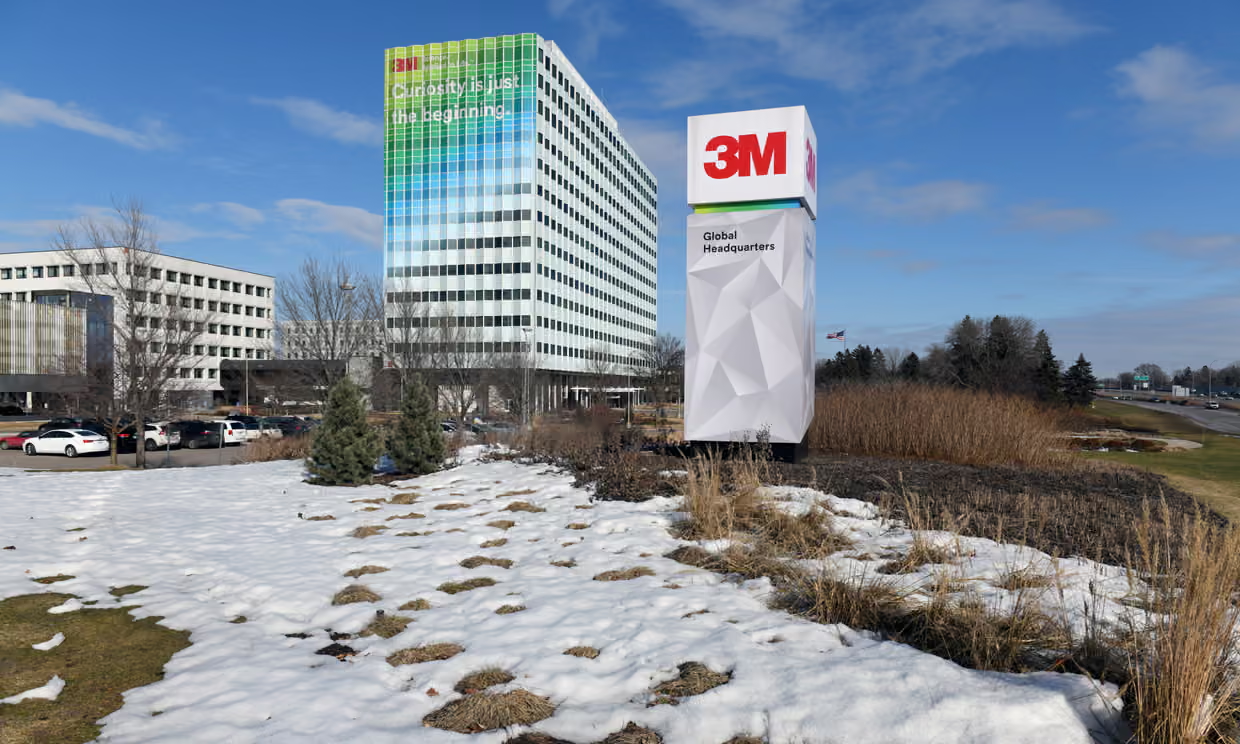
New Jersey reached a landmark settlement with 3M worth up to $450 million for PFAS pollution. Funds will support drinking water treatment, cleanup, and natural resource restoration, especially in affected communities, th…
( Newsweek ) A Newsweek analysis found that New Jersey ranks among the states with the highest reported PFAS levels in drinking water, alongside Massachusetts, California, New Hampshire, and Pennsylvania. The findings hi…
( NJ Spotlight News ) New Jersey utilities are expected to face higher treatment and compliance costs following the U.S. EPA’s new PFAS drinking water standards, while environmental and public health advocates describe t…
Lawsuits accusing major chemical companies of polluting U.S. drinking water with toxic “forever chemicals” (PFAS) led to more than $11 billion in settlements in 2023, and experts predict new federal regulations and growi…
In June 2023, 3M agreed to a roughly $10.3 billion settlement with dozens of U.S. public water systems to resolve water pollution claims tied to toxic “forever chemicals” (PFAS), with funds to be paid over 13 years to he…
( ABC7 New York ) PFAS contamination has been detected in drinking water systems across New Jersey, raising concerns among residents and public health officials. Often called “forever chemicals,” PFAS persist in the envi…
( NJ Spotlight News ) New Jersey officials under the Murphy administration have increasingly turned to lawsuits and legal settlements to address environmental harm and recover cleanup costs. The strategy reflects a broad…
( NJDEP ) The New Jersey Department of Environmental Protection announced new actions to address PFAS contamination, outlining regulatory and enforcement measures aimed at protecting drinking water and public health. The…
( Asbury Park Press ) An investigation into PFAS contamination in New Jersey highlights the role of major chemical companies, including Dow, 3M, DuPont, Chemours, and Solvay, in decades of pollution affecting water and s…
( newjersey.com ) A major public water utility in northern New Jersey is suing chemical companies over alleged PFAS contamination, arguing that manufacturers should bear the financial burden of water treatment and remedi…