Watch / PFAS explained
PFAS 101
2:57Autoplays without sound.
Environmental scienceNew Jersey / 2026
NJPFAS brings together accessible explanations, local contamination data, testing resources, treatment options, and news and policy updates to help New Jersey residents better understand PFAS pollution and take informed action.
New Jersey resident guideScience · Data · Action
Watch / PFAS explained
Autoplays without sound.
New Jersey / At a glance
Environmental Working Group’s (EWG) interactive map shows that New Jersey has approximately 556 drinking water systems reporting PFAS concentrations above the proposed federal limit—the highest number in the nation. (Newsweek)
New Jersey ranks #2 in the U.S. for PFAS in drinking water. During 2019-2021 63% NJ community water systems detected PFAS at least once, and these systems serve 84% of the population using public water. (ABC News)
Some wells in Paulsboro, Gloucester County, New Jersey, recorded among the highest PFNA levels ever reported globally, and an industrial source was later identified. (NJDEP)
Of private wells sampled in New Jersey, 11.2% contained levels above the State drinking water standard (Maximum Contaminant Level, MCL) for at least one of the PFAS tested. (NJDEP)
PFAS contamination spans the I-95 corridor from North Jersey to Philadelphia’s suburbs. Industrial zones, landfills, airports, and firefighting training sites are major hotspots.
Communities of color in NJ are significantly more likely to be served by water systems with PFAS detections.
Legacy contamination, especially in groundwater, may persist for decades.
The Resident Desk
Public systems test and report results. Private-well owners are responsible for arranging their own testing through a certified laboratory.
Review testing guidancePublic water
New Jersey public water systems are required to test for PFNA, PFOA, and PFOS. Results are available through NJDEP Drinking Water Watch.
NJ Drinking Water WatchPrivate well
Field Notes
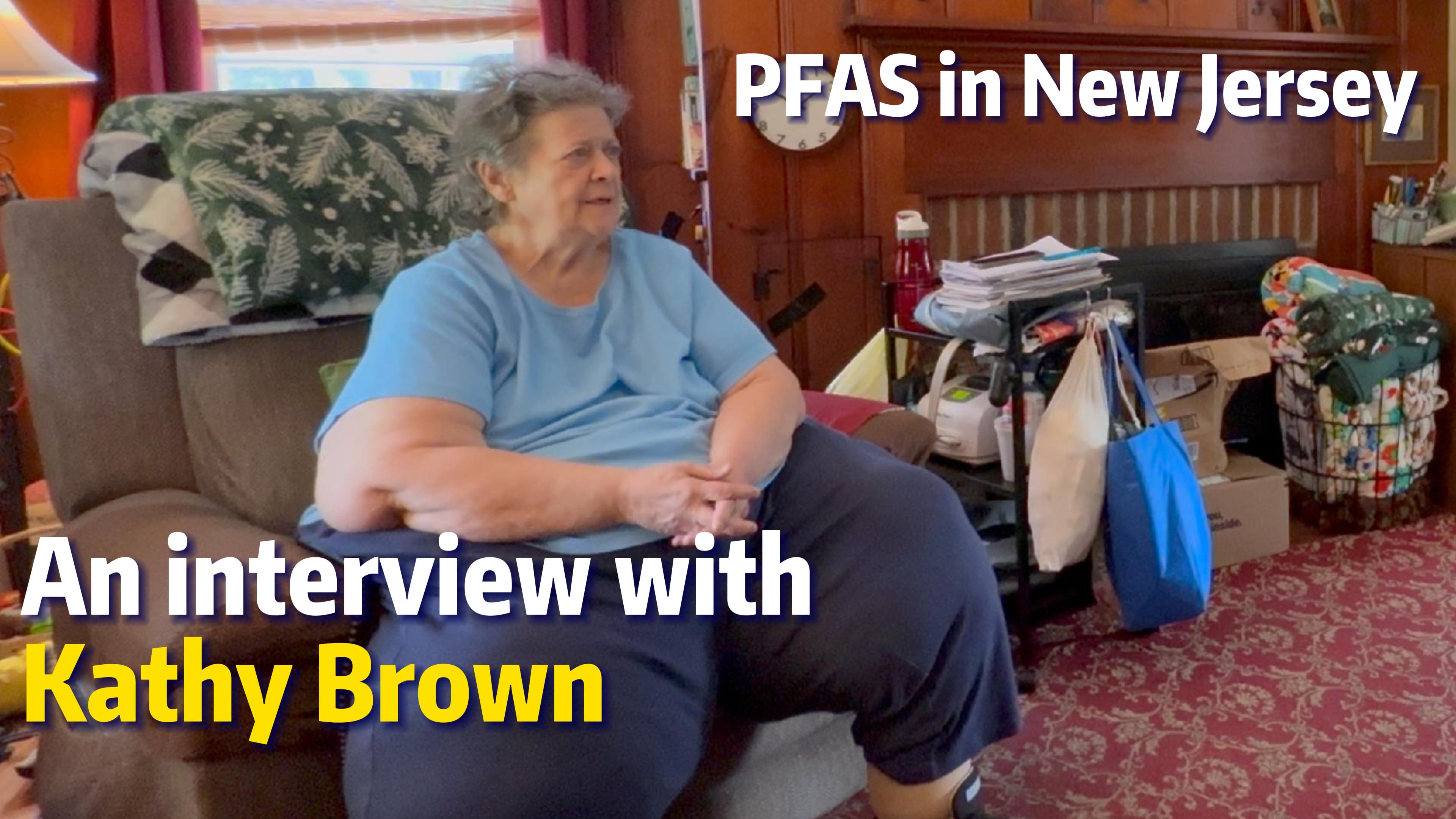
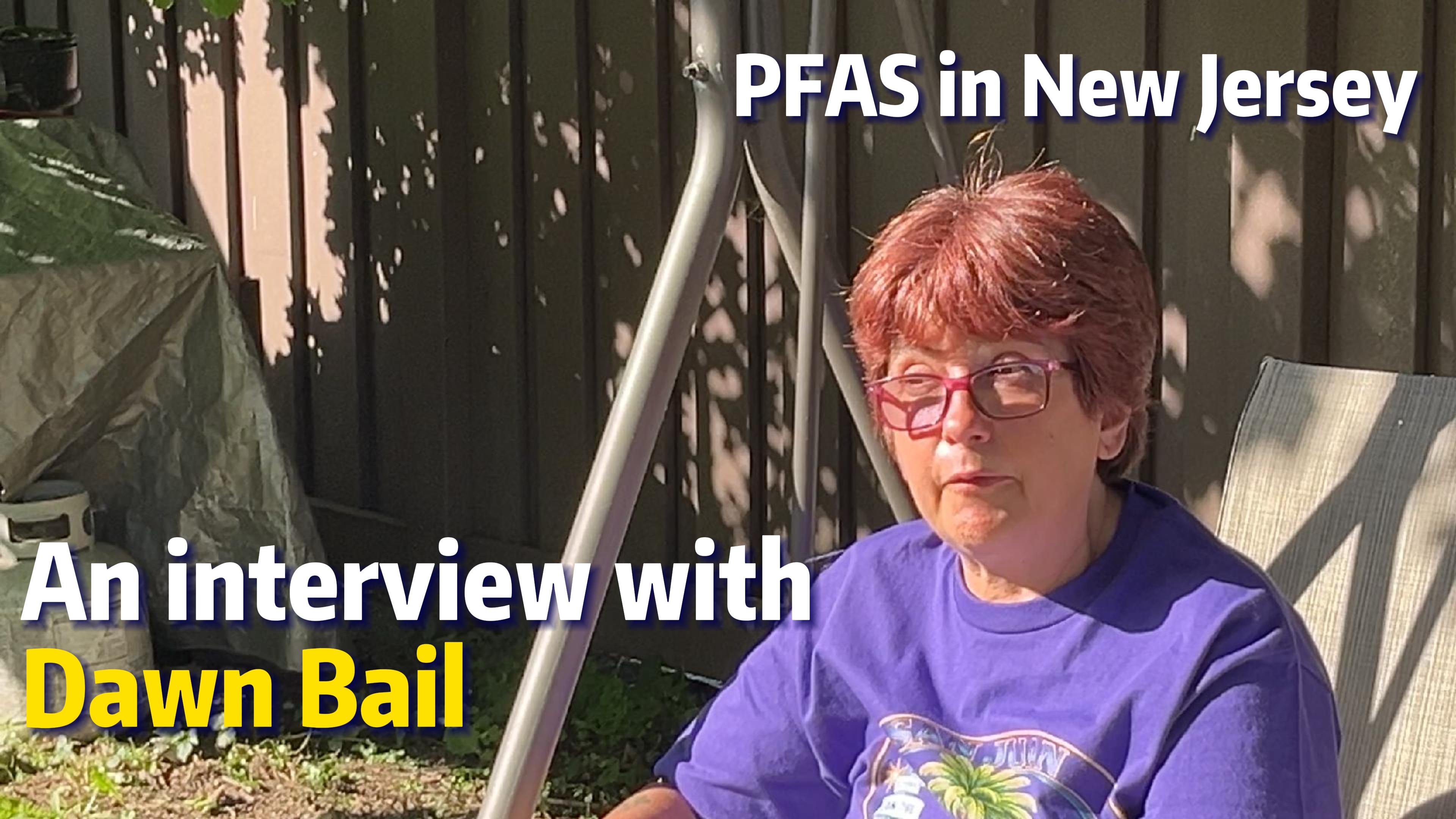
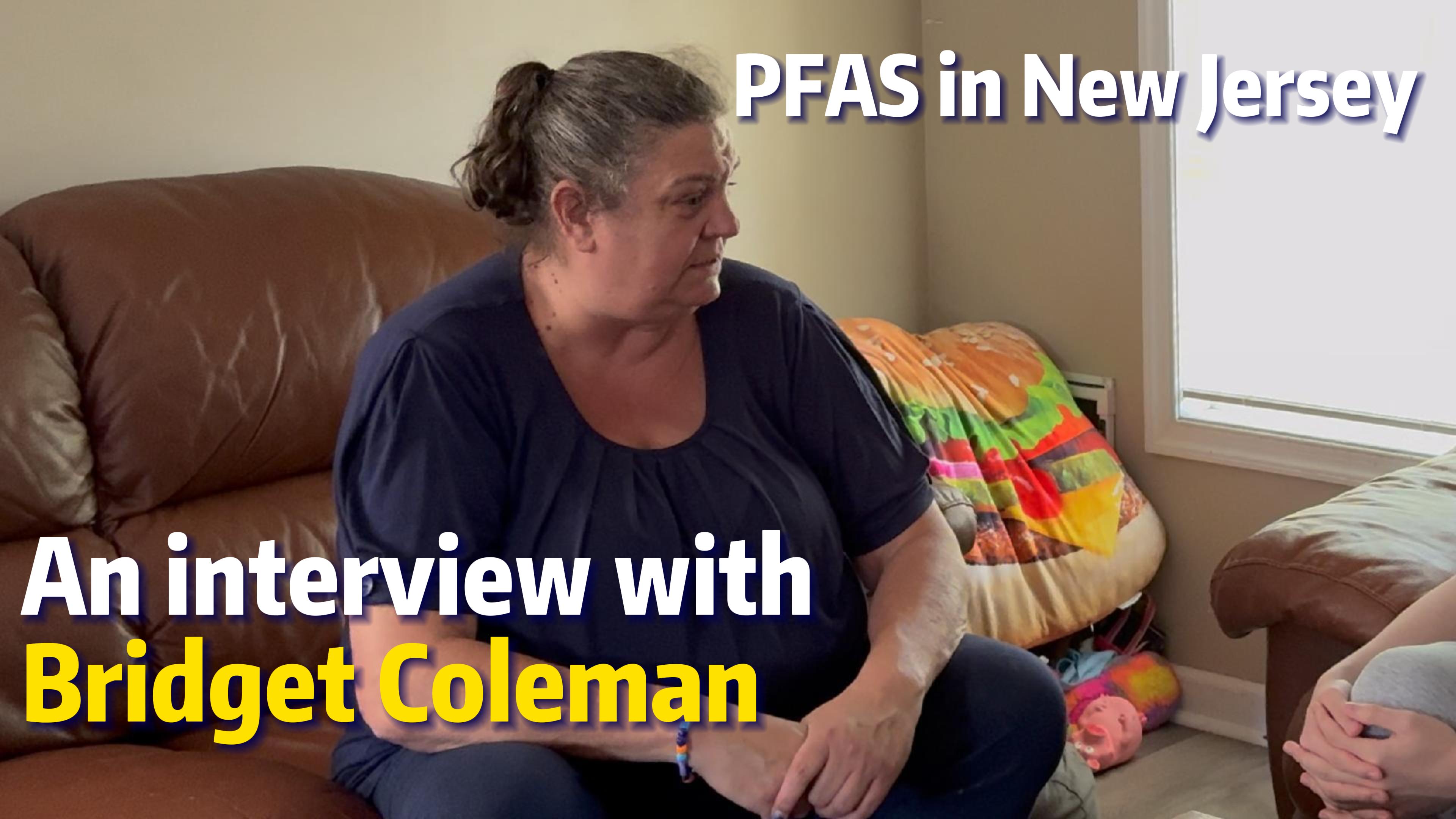
A Field Investigation of PFAS Contamination in New Jersey. Watch four interviews from Frank’s project.
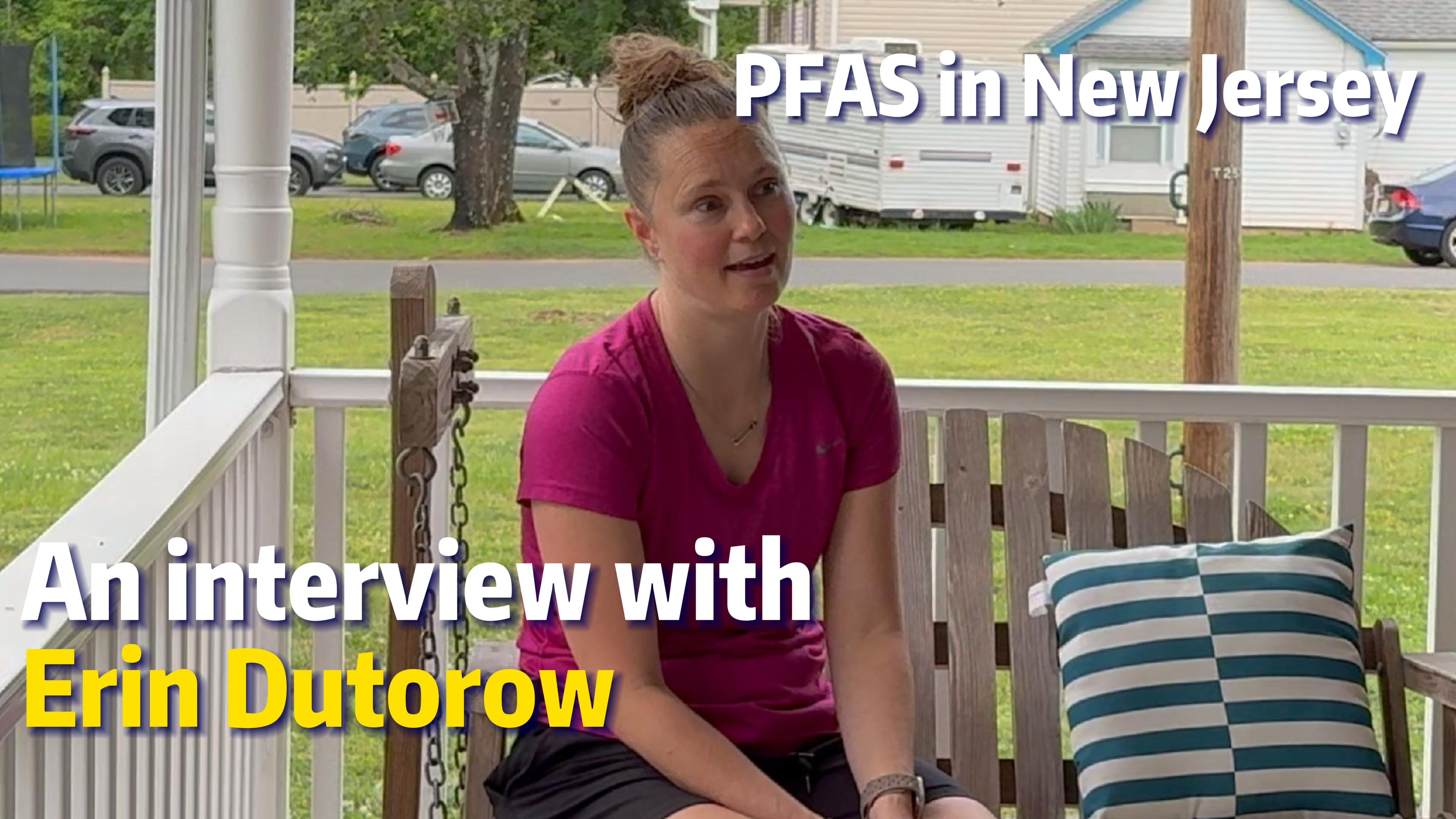
Field interview / 01
A Field Investigation of PFAS Contamination in New Jersey.
Interview video · 4:19
Watch the interview ▶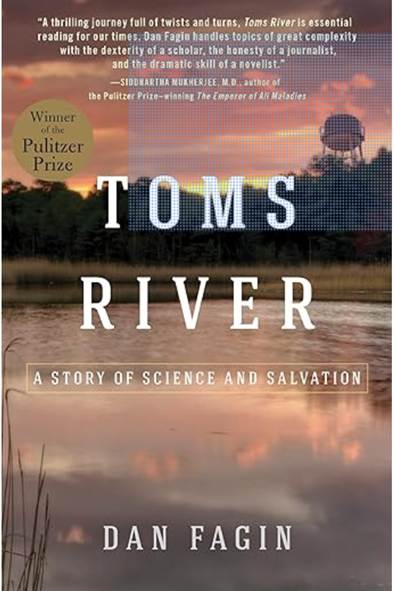
A Pulitzer Prize–winning investigation of toxic chemical pollution and childhood cancer in New Jersey—providing historical context for today’s PFAS crisis.
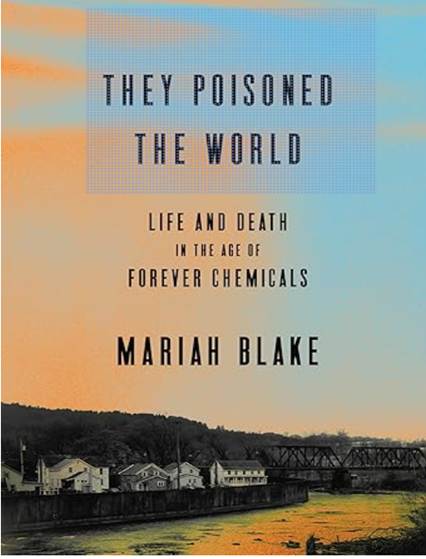
A WASHINGTON POST BEST BOOK OF THE YEAR
A gripping investigation of the chemical industry’s decades-long campaign to hide the dangers of forever chemicals (PFAS), told through the story of a small town on the frontlines of an epic public health crisis.
Newsroom
Policy explainer
Compare drinking-water standards, timelines, enforcement, and related laws.
Science & solutions
Local context
Explore documented examples involving industry, legacy pollution, and firefighting foam.
Policy & public support