
Everything New Jersey Residents Should Know About PFAS, Explained Simply
What Are PFAS?
PFAS (Per- and Polyfluoroalkyl Substances) are a large family of man-made chemicals—more than 12,000 varieties—used since the 1940s in industries and consumer products.
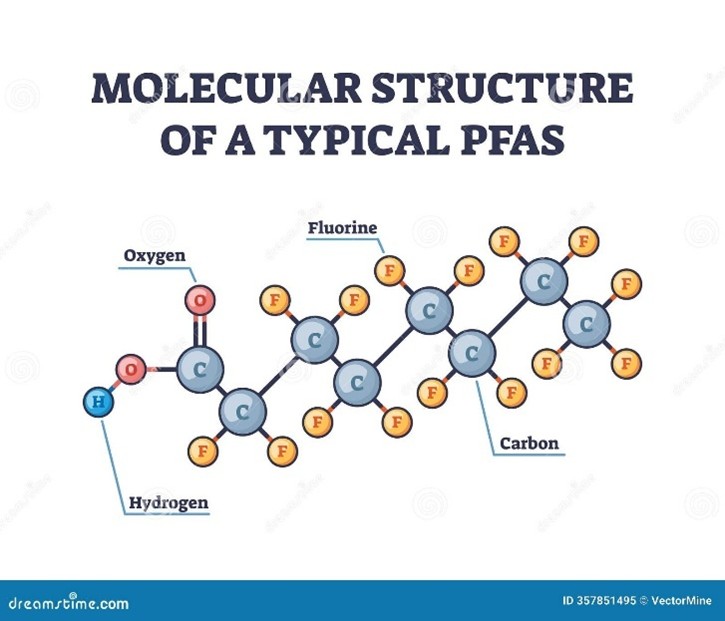
PFAS are extremely difficult to break down because of their strong carbon–fluorine bonds, some of the strongest in organic chemistry. This makes many PFAS persistent in soil, water, and our bodies for years or decades. Because of their widespread use and their persistence in the environment, many PFAS are found in the blood of people and animals all over the world.
Why Are PFAS Called “Forever Chemicals”?
PFAS earned this nickname because they:
Do not readily degrade in nature
They resist heat, sunlight, chemical reactions, and biological breakdown.
Accumulate in people and wildlife
Even low-level exposure can build up over time.
Remain in the environment for generations
Some PFAS may persist for centuries.
Though long-chain PFAS like PFOA and PFOS have been phased out in the U.S., they remain in the environment because these substances are extremely persistent in the environment and are soluble and mobile in water. Short-chain PFAS (like PFBS, GenX) that are equally persistent and more mobile in water. Due to increasing global production and use, environmental and human exposure to short-chain PFAS is expected to increase over time.
Some Common PFAS in Life
| PFAS | Full Chemical Name | Structure | Common Uses / Sources | Health or Environmental Concerns |
|---|---|---|---|---|
| PFOA | Perfluorooctanoic acid | 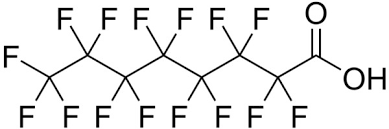 | non-stick cookware (Teflon production), stain-resistant fabrics, carpet treatments, food packaging, firefighting foam | Classified as carcinogenic to humans (IARC) |
| PFOS | Perfluorooctane sulfonic acid | 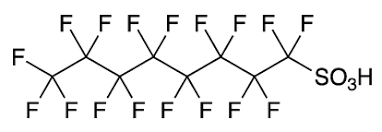 | Water-, stain-, and grease-resistant products; firefighting foam | Classified as possibly carcinogenic to humans (IARC) |
| GenX | Hexafluoropropylene oxide dimer acid and its ammonium salt | 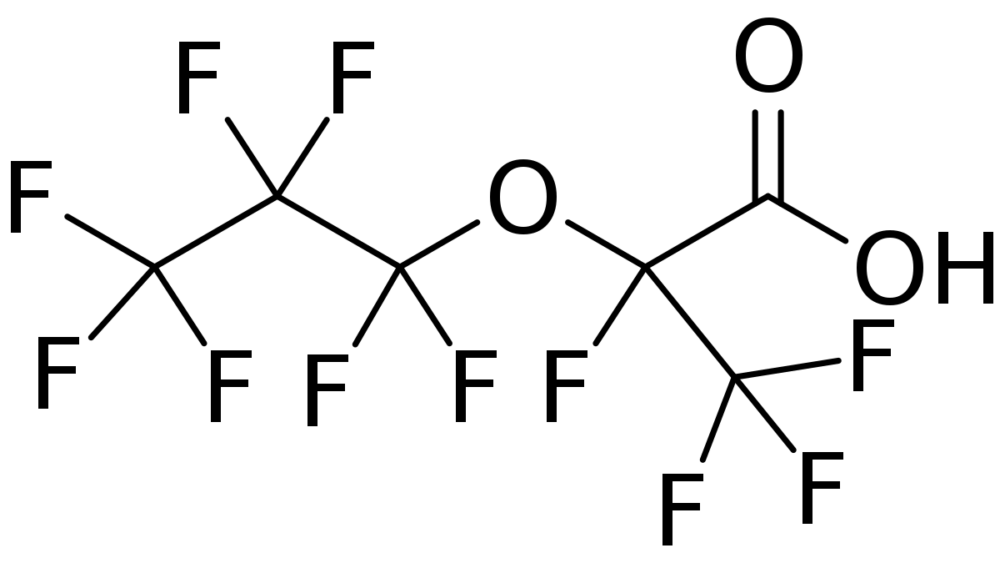 | Nonstick coatings, food packaging (replacement for PFOA) | More mobile in the environment; potential liver toxicity |
| PFBS | Perfluorobutane sulfonate | 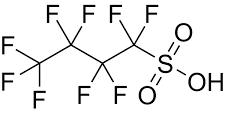 | Coatings on fabric, carpet, and paper (replacement for PFOS) | Possible thyroid effects from oral exposure |
| PFNA | Perfluorononanoic acid | 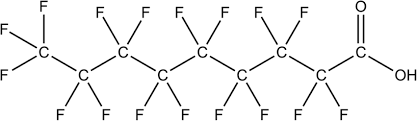 | plastics, coatings, wire insulation | Concerns for reproductive and developmental effects |
| PFHxS | Perfluorohexane sulfonate | 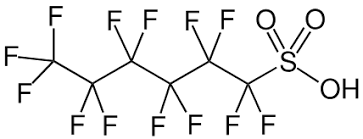 | Fabrics, firefighting foam, food packaging (phased out in U.S.) | Potential liver and immune (antibody) effects |
*These six PFAS are of particular concern to the EPA and are regulated with drinking water MCLs.
Sources of PFAS Exposure
PFAS are prized for being water-resistant, oil-resistant, and heat-resistant, which is why they appear in:
- Nonstick cookware (e.g., Teflon)
- Water-repellent clothing
- Stain-resistant carpets
- Cosmetics
- Food packaging
- Firefighting foam
- Electronics and industrial processes
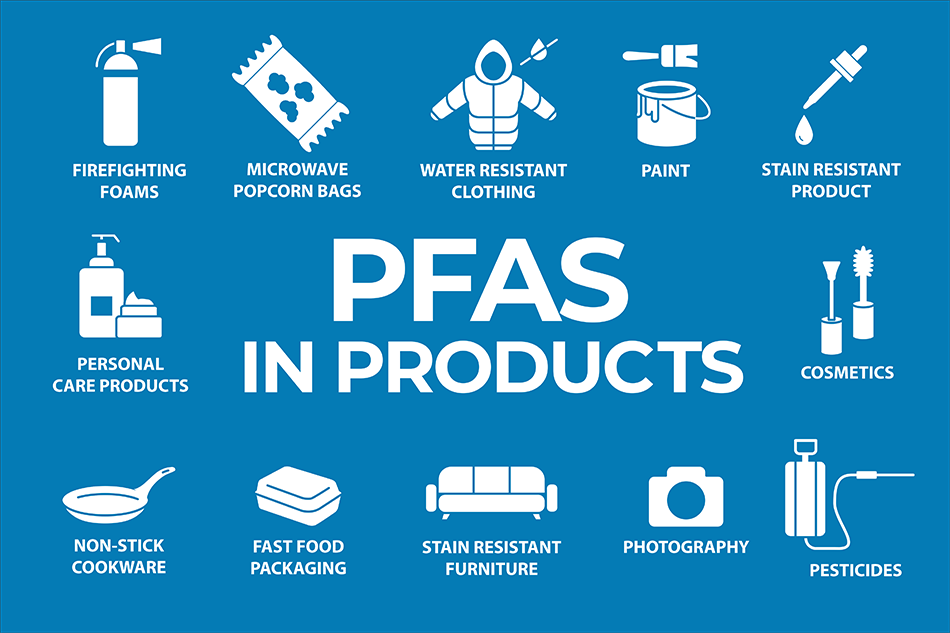
Common sources of PFAS include:
- Industrial manufacturing and chemical processing
- Firefighting foam used at airports, military bases, & training sites
- Landfills and wastewater treatment plants
- Water-resistant clothing
- Nonstick cookware
- Stain-resistant carpets & furniture
- Some cosmetics
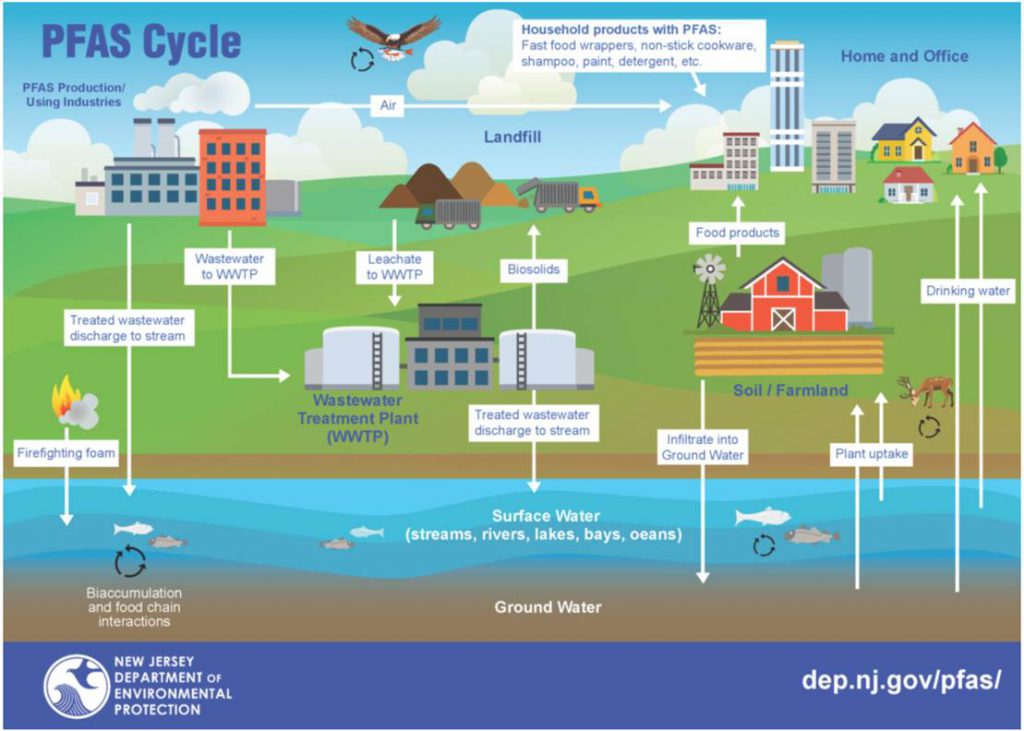
PFAS may enter soil and water through:
- Industrial wastewater or air emissions
- Firefighting training exercises
- Landfill leachate
- Sewage sludge used as fertilizer
- Accidental spills
- Runoff from PFAS-treated consumer products
Because they are mobile in groundwater, contamination can spread far from the original source.
How Do PFAS Enter the Human Body?
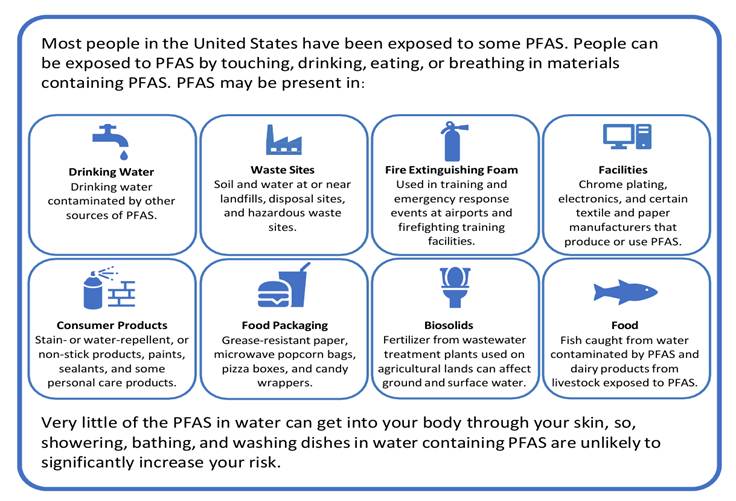
People can be exposed to PFAS through:
Drinking Contaminated Water
The most significant source for many New Jersey communities.
Eating Contaminated Foods
Especially fish, meat, and food wrapped in PFAS-treated packaging.
Everyday Products
Cosmetics, dental floss, coatings on textiles, etc.
Occupational Exposure
Firefighters, chemical plant workers, and waste-management workers are higher-risk groups.
If drinking water is contaminated, it is a primary source of exposure to PFAS as compared with other common exposure sources.
Health Effects of PFAS
Current scientific research suggests that exposure to certain PFAS may lead to adverse health outcomes. However, research is still ongoing to determine how different levels of exposure to different PFAS can lead to a variety of health effects. Research is also underway to better understand the health effects associated with low levels of exposure to PFAS over long periods of time, especially in children.
What We Know about Health Effects
Current peer-reviewed scientific studies have shown that exposure to certain levels of PFAS may lead to:
- Reproductive effects such as decreased fertility or increased high blood pressure in pregnant women.
- Developmental effects or delays in children, including low birth weight, accelerated puberty, bone variations, or behavioral changes.
- Increased risk of some cancers, including prostate, kidney, and testicular cancers.
- Reduced ability of the body’s immune system to fight infections, including reduced vaccine response.
- Interference with the body’s natural hormones.
- Increased cholesterol levels and/or risk of obesity.
Additional Health Effects are Difficult to Determine
Scientists at EPA, in other federal agencies, and in academia and industry are continuing to conduct and review the growing body of research about PFAS. However, health effects associated with exposure to PFAS are difficult to specify for many reasons, such as:
- Reproductive effects such as decreased fertility or increased high blood pressure in pregnant women.
- Developmental effects or delays in children, including low birth weight, accelerated puberty, bone variations, or behavioral changes.
- Increased risk of some cancers, including prostate, kidney, and testicular cancers.
- Reduced ability of the body’s immune system to fight infections, including reduced vaccine response.
- Interference with the body’s natural hormones.
- Increased cholesterol levels and/or risk of obesity.
The more we learn about PFAS chemicals, the more we learn that certain PFAS can cause health risks even at very low levels. This is why anything we can do to reduce PFAS in water, soil, and air, can have a meaningful impact on health. Children and infants are especially vulnerable, because their immune and endocrine systems are still developing. (U.S. EPA “Our Current Understanding of the Human Health and Environmental Risks of PFAS“)
How PFAS Affect New Jersey: A Brief History
New Jersey is one of the earliest states in the U.S. to investigate and regulate PFAS contamination. Over the past two decades, several key developments have shaped the state’s leadership in addressing these chemicals—and why it continues to be recognized as a hotspot for PFAS contamination concerns:
2004–2006
PFAS are detected in groundwater surrounding the DuPont (now Chemours) facility in South Jersey.
2006–2009
NJDEP conducts statewide studies and finds: PFOA in approximately 60% of tested public water systems; PFOS in approximately 30% of tested public water systems.
2009
A drinking water well in Paulsboro reports one of the highest PFNA levels ever recorded globally.
September 4, 2018
The New Jersey Department of Environmental Protection (DEP) establishes the nation’s first enforceable PFAS drinking water standard, setting the MCL for PFNA at 13 ppt.
June 1, 2020
NJ DEP issues additional MCLs for PFOA (14 ppt) and PFOS (13 ppt), with mandatory monitoring beginning in 2021.